Long-Term Food Storage: The Complete Guide to Building Your Emergency Food Supply
Recommended Emergency Gear
Whether you're preparing for natural disasters, economic disruption, or extended emergencies, a well-planned food storage program provides security and peace of mind. This comprehensive guide covers everything from selecting the right foods to proper storage techniques that preserve nutrition for decades.
Why Long-Term Food Storage Matters
Food security isn't paranoia—it's prudence. Throughout history, societies that maintained food reserves weathered crises while those dependent on just-in-time supply chains faced catastrophe. The COVID-19 pandemic demonstrated how quickly grocery shelves can empty when supply chains falter.
Consider the scenarios where long-term food storage proves invaluable:
- Natural disasters: Hurricanes, earthquakes, wildfires, and floods can cut off communities for days or weeks
- Extended power outages: Ice storms, grid failures, and heat waves can make refrigeration unreliable
- Supply chain disruptions: Pandemics, labor shortages, transportation issues, or cyber attacks can empty stores
- Economic hardship: Job loss, medical emergencies, or economic downturns where food reserves bridge difficult periods
- Regional isolation: Rural areas may face extended periods without resupply during severe weather
The question isn't whether an emergency will occur—it's when. Building a thoughtful food storage program transforms uncertainty into preparedness.
Food Security Statistics
- 3 days - Average grocery store inventory before restocking
- 72 hours - Typical time for emergency shelves to empty during crisis
- 9 meals - Estimated supply away from societal instability
- 59% of Americans have less than 3 days of food at home
Understanding Shelf Life: The Science of Preservation
Before selecting foods for long-term storage, understanding what affects shelf life helps make informed decisions. Four enemies destroy stored food:
1. Oxygen
Oxygen causes oxidation—the same process that turns a cut apple brown. For stored foods, oxidation degrades fats (causing rancidity), destroys vitamins, and enables aerobic bacteria and insects to thrive. Removing oxygen is the single most important factor in extending shelf life from months to decades.
2. Moisture
Water enables bacterial and mold growth. Foods stored long-term should have moisture content below 10%—ideally below 6%. Dry foods can absorb moisture from humid air, so proper sealed containers are essential even for already-dry foods.
3. Light
Light accelerates oxidation and destroys vitamins, particularly vitamins A, B2, C, and K. UV light causes the most damage, but visible light also degrades food over time. Store food in opaque containers or dark locations.
4. Heat
Heat accelerates all chemical reactions that degrade food. The rule of thumb: every 10°F increase above 70°F roughly halves shelf life. Food stored at 90°F lasts one-quarter as long as food stored at 70°F. Basements and interior closets typically offer the best temperature stability.
Essential Storage Supplies
Mylar bags (1-gallon) combined with oxygen absorbers (300cc-500cc) are the foundation of DIY long-term food storage. For complete kits, Mylar bag starter sets include bags, absorbers, labels, and instructions.
Foods With the Longest Shelf Life
Not all foods are equal for long-term storage. Focus on foods that store well naturally, provide good nutrition, and you'll actually eat. Here's what stores best:
25-30+ Year Shelf Life (With Proper Storage)
| Food | Calories/lb | Storage Notes |
|---|---|---|
| Hard White Wheat | 1,520 | Store whole; requires grinding. Highest nutrition retention |
| White Rice | 1,650 | Not brown rice (oils go rancid). Essential carb source |
| Rolled Oats | 1,740 | High fiber, versatile. Must remove oxygen completely |
| Dried Beans/Legumes | 1,540 | Complete protein with grains. Pinto, black, kidney |
| Freeze-Dried Foods | Varies | Commercial #10 cans. Most variety, highest cost |
| Sugar (White) | 1,725 | Indefinite if kept dry. Hardens but remains usable |
| Salt | 0 | Indefinite. Essential for flavor and preservation |
| Honey | 1,380 | Indefinite. May crystallize; heating restores |
| Powdered Milk (Nonfat) | 1,640 | 25+ years sealed. Protein and calcium source |
10-15 Year Shelf Life
- Pasta (dried): Store in Mylar with O2 absorbers. Versatile base food.
- Dehydrated vegetables: Carrots, onions, peppers, celery. Essential for nutrition and flavor.
- Dried corn: Whole kernel or meal. Grind for cornbread, tortillas.
- TVP (Textured Vegetable Protein): Meat substitute with 50% protein. Long shelf life.
- Instant potatoes: Comfort food, easy calories. 10-15 years sealed.
5-10 Year Shelf Life
- Canned goods (commercially): Safe for years past date; nutrition declines over time
- Peanut butter (powdered): No oils to go rancid. Add water to reconstitute.
- Baking staples: Baking powder, baking soda, yeast (frozen)
- Bouillon/soup base: Flavor enhancement, psychological comfort
- Spices (whole): Grind as needed. Ground spices lose potency faster.
Foods to Avoid for Long-Term Storage
Some foods don't store well regardless of method:
- Brown rice: Oils in bran layer go rancid within 6-12 months
- Nuts and seeds: High oil content causes rancidity (freeze for medium-term)
- Whole wheat flour: Ground wheat oxidizes quickly; store wheat berries instead
- Granola: Oils and dried fruit reduce shelf life dramatically
- Crackers: Fats go rancid; moisture absorption makes them stale
Storage Methods: From DIY to Commercial Solutions
Method 1: Mylar Bags with Oxygen Absorbers
The gold standard for DIY long-term storage. Mylar bags create an impermeable barrier against light, moisture, and oxygen. Combined with oxygen absorbers, this method extends shelf life of dry goods to 25-30 years.
How to use Mylar bags:
- Choose appropriate bag size (1-gallon for variety, 5-gallon for bulk staples)
- Use 5-7 mil thickness bags (thinner bags allow oxygen penetration over time)
- Pour dry food into bag, leaving 4-5 inches at top
- Add oxygen absorber(s)—300cc per gallon, 2000cc per 5-gallon
- Squeeze out excess air
- Seal with household iron, hair straightener, or impulse sealer (380-400°F)
- Seal 1-2 inches from top, then fold and seal again for security
- Place sealed bags in food-grade buckets for protection
- Within 24-48 hours, bags should be rigid/vacuum-tight (O2 absorber working)
Recommended: Mylar Bag Sealer
While a household iron works, an impulse heat sealer creates more consistent, reliable seals and speeds up the packaging process significantly if you're doing bulk storage.
Method 2: Food-Grade Buckets
Five-gallon HDPE (High-Density Polyethylene) buckets protect Mylar bags and allow stacking. Look for buckets labeled "food-grade" or with HDPE recycling symbol #2.
Important bucket considerations:
- Use Gamma Seal lids for buckets you'll access regularly
- Standard snap-on lids are fine for long-term storage you won't open
- Never store food directly in buckets without Mylar—plastic allows slow oxygen penetration
- Buckets alone (without Mylar) limit shelf life to 3-5 years
Method 3: #10 Cans (Commercial)
#10 cans (the large restaurant-size cans) are the gold standard for commercial long-term food storage. They're completely impermeable to oxygen, light, and moisture when properly sealed.
Advantages of #10 cans:
- Maximum shelf life (25-30 years for freeze-dried foods)
- Completely rodent and pest-proof
- Stackable and durable
- No DIY sealing required
Disadvantages:
- Higher cost per serving than DIY methods
- Once opened, contents must be used relatively quickly
- Large quantity per container may exceed short-term needs
Method 4: Mason Jars with Vacuum Sealing
Mason jars work well for smaller quantities and foods you rotate through. Use a vacuum sealer with jar attachment and add oxygen absorbers for maximum shelf life.
Best for: Spices, small quantities of frequently-used items, herbs, medications, and items you want visible for rotation.
Commercial Food Storage Options
For those who prefer convenience over cost savings, commercial long-term food storage offers variety, balanced nutrition, and guaranteed shelf life.
Freeze-Dried Foods
Freeze-drying removes 98% of moisture while preserving 97% of nutrients—far better than dehydration. The process creates a shelf-stable product that rehydrates quickly and tastes remarkably close to fresh.
Top freeze-dried food brands:
- Mountain House: 30-year shelf life, excellent taste, premium price
- Augason Farms: Good value, 25-year shelf life, wide variety
- Nutrient Survival: Military-grade, high nutrition density
- ReadyWise: Affordable entry point, good variety kits
- Thrive Life: Individual ingredients for cooking flexibility
Best Value Freeze-Dried Food
For starting a freeze-dried food supply, the ReadyWise 30-Day Emergency Food Supply offers excellent value with 296 servings of breakfast, lunch, and dinner options across two sealed buckets with a 25-year shelf life.
Freeze-Drying & Mylar Bag Gear
Want to build your own 25-year food supply for pennies on the dollar? A home freeze dryer preserves full meals, and mylar bags with oxygen absorbers (packed inside food-grade buckets) keep dry staples like rice, beans, and oats good for decades.
 25-yr dry storage
5-Gal Mylar Bags + Oxygen Absorbers (15pk)
$27.99
View on Amazon
25-yr dry storage
5-Gal Mylar Bags + Oxygen Absorbers (15pk)
$27.99
View on Amazon
 Kill the oxygen
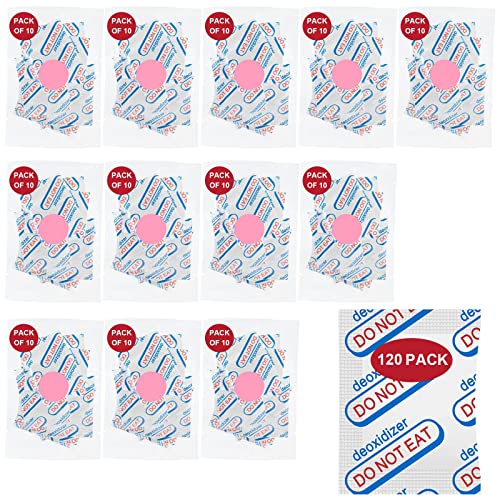
300cc Oxygen Absorbers (120pk)
$9.99
View on Amazon
Kill the oxygen
300cc Oxygen Absorbers (120pk)
$9.99
View on Amazon
 Freeze-dry at home
VEVOR Home Freeze Dryer
$2,652
View on Amazon
Freeze-dry at home
VEVOR Home Freeze Dryer
$2,652
View on Amazon
 Pest-proof outer
5-Gallon Food-Grade Buckets + Lids
$36.95
View on Amazon
Pest-proof outer
5-Gallon Food-Grade Buckets + Lids
$36.95
View on Amazon
Pre-Made Emergency Food Kits
Complete kits provide a simple solution for those who want "done for you" emergency food. These typically include a balanced mix of breakfast, lunch, and dinner options.
What to look for:
- Actual calorie counts (not just "servings"—some brands use tiny servings)
- Shelf life in years (insist on 10+ years minimum)
- Nutritional balance (not just carbs—needs protein and fats)
- Variety of meals (appetite fatigue is real in emergencies)
- Preparation requirements (water only? heat required?)
Building Your Food Storage Program
Starting from zero can feel overwhelming. Here's a phased approach that builds comprehensive food storage over time:
Phase 1: Two-Week Supply (Start Here)
Focus on foods your family already eats that have reasonable shelf life:
- Canned goods (soups, vegetables, fruits, meats)
- Pasta and jarred sauce
- Rice and beans
- Peanut butter and honey
- Crackers and granola bars
- Dried fruit and nuts (for short-term rotation)
Cost estimate: $200-400 for family of four
Phase 2: Three-Month Supply
Expand with bulk staples in proper storage:
- 50 lbs rice in Mylar bags
- 50 lbs beans/legumes in Mylar bags
- 25 lbs oats in Mylar bags
- Expanded canned goods
- Cooking oil (rotate—doesn't store long-term)
- Spices and seasonings
- Comfort foods (coffee, tea, chocolate)
Cost estimate: $500-800 for family of four
Phase 3: One-Year Supply
Comprehensive storage with variety:
- 300 lbs grains (wheat, rice, oats, pasta)
- 100 lbs legumes (variety of beans, lentils)
- 50 lbs powdered milk
- 50 lbs sugar/honey
- Freeze-dried fruits and vegetables
- Freeze-dried meats
- Complete vitamin supplements
- Seeds for sprouting (fresh nutrition)
Cost estimate: $2,000-5,000 for family of four (depending on commercial vs DIY mix)
Calorie Planning Guide
- Adult male: 2,000-2,500 calories/day
- Adult female: 1,600-2,000 calories/day
- Child (4-8): 1,200-1,400 calories/day
- Teen: 1,800-2,800 calories/day
- One year, family of 4: ~2.6 million calories
Use our Food Storage Calculator for precise calculations.
Storage Location and Organization
Ideal Storage Conditions
- Temperature: 50-70°F (10-21°C), consistent
- Humidity: Below 60% relative humidity
- Light: Dark or minimal light exposure
- Accessibility: Easy to reach for rotation
- Security: Protected from pests and theft
Best Storage Locations
Basements: Usually ideal—cool, dark, and spacious. Watch for flooding risk and humidity. Use pallets to keep containers off concrete floors.
Interior closets: Temperature-stable, dark, and secure. Limited space but excellent for moderate storage.
Under beds: Utilizes unused space. Use low-profile containers. Good for overflow or apartments.
Dedicated pantry: Ideal if you can dedicate space. Organize by category and expiration date.
Locations to Avoid
- Garages: Temperature extremes dramatically reduce shelf life
- Attics: Summer heat can exceed 130°F, destroying food
- Near appliances: Heat from water heaters, furnaces, dryers
- Direct sunlight: Any exposure accelerates degradation
Organization Systems
Organization prevents waste and ensures rotation:
- FIFO (First In, First Out): Oldest items in front, newest in back
- Labeling: Date everything clearly with packaging date and contents
- Inventory: Maintain a spreadsheet or app tracking quantities and dates
- Categorization: Group by type (grains, proteins, fruits/vegetables, etc.)
Storage Organization
Heavy-duty steel wire shelving supports the weight of loaded buckets and cans while keeping food off floors and organized for rotation.
Rotation and Maintenance
A food storage program isn't "set and forget." Regular maintenance ensures your investment remains usable when needed.
What to Rotate
Rotate frequently (6-24 months):
- Cooking oils and fats
- Crackers and baked goods
- Nuts and seeds (unless frozen)
- Brown rice
- Commercially canned goods (use before "best by" for optimal nutrition)
Rotate occasionally (3-7 years):
- Dehydrated foods
- Baking staples
- Dried spices
- Powdered drink mixes
Store and forget (10+ years):
- Properly stored bulk grains, beans, rice
- #10 can freeze-dried foods
- Honey, salt, sugar
Annual Maintenance Checklist
- Inspect all containers for damage, pest intrusion, or seal failure
- Check temperature and humidity of storage areas
- Review inventory against your family's current needs
- Rotate items approaching rotation dates
- Replace oxygen absorbers in any opened containers
- Update inventory spreadsheet
- Taste-test a small sample of long-term foods to verify quality
Special Considerations
Dietary Restrictions
Long-term food storage for special diets requires extra planning:
- Gluten-free: Focus on rice, quinoa, corn, and gluten-free oats. Label carefully to avoid cross-contamination.
- Vegetarian/Vegan: Emphasize complete protein combinations (rice + beans). Store TVP, nutritional yeast, and variety of legumes.
- Low-sodium: Store unsalted items separately. Many commercial emergency foods are high in sodium.
- Diabetic: Focus on low-glycemic foods (beans, whole grains). Limit simple carbs and sugars.
- Food allergies: Clear labeling is critical. Store allergen-free items separately.
Infant and Young Children
Children have different nutritional needs:
- Powdered formula (rotate carefully—12-18 month shelf life)
- Baby food pouches (portable, 1-2 year shelf life)
- Powdered whole milk for toddlers
- Child-friendly comfort foods
- Vitamins and supplements appropriate for age
Psychological Considerations
In emergencies, familiar comfort foods provide psychological benefits beyond nutrition:
- Store favorite treats (chocolate, candy stores reasonably well)
- Include coffee, tea, or other daily rituals
- Variety prevents "appetite fatigue" where people refuse to eat monotonous meals
- Comfort foods reduce stress and maintain morale
Beyond Food: Complete Nutrition
Stored foods, especially long-term staples, may lack certain nutrients. Supplementation ensures complete nutrition during extended emergencies.
Essential Supplements to Store
- Multivitamin: Covers baseline nutritional gaps (3-5 year shelf life)
- Vitamin C: Particularly important if fresh produce unavailable
- Vitamin D: Essential if sheltering limits sun exposure
- Omega-3 fatty acids: Store in freezer for extended shelf life
- Electrolytes: Critical for hydration, especially in heat or illness
Sprouting for Fresh Nutrition
Sprouting transforms stored seeds into fresh vegetables in 3-7 days, providing:
- Fresh enzymes destroyed by cooking and storage
- Increased vitamin content (sprouts contain more vitamins than seeds)
- Fresh taste and texture variety
- Minimal water and no soil required
Store sprouting seeds: alfalfa, mung beans, broccoli, radish, and wheat.
Renewable Protein: Backyard Chickens
Stored food eventually runs out. A small backyard flock is one of the few food sources that renews itself, turning kitchen scraps and feed into fresh eggs almost daily. A few hens can supply a family with steady protein through a long emergency, long after freeze-dried supplies are gone.
Our sister site RaisingChickensGuide.com covers coops, breeds, feed, and egg production, everything you need to build a renewable food source at home.
Getting Started: Your First Week
Don't let the scope of long-term food storage paralyze you. Start with these achievable steps:
- Day 1: Inventory what you already have. You may have more than you think.
- Day 2: Calculate your family's calorie needs using our food storage calculator.
- Day 3: Buy two weeks of extra canned goods and staples during regular shopping.
- Day 4: Order Mylar bags, oxygen absorbers, and food-grade buckets.
- Day 5: Identify your storage location and prepare it (shelving, pallets).
- Day 6: Research bulk food sources (restaurant supply stores, LDS canneries, online retailers).
- Day 7: Create your 90-day food storage plan with specific quantities and budget.
Then, add to your storage with each shopping trip. Even $20 extra per week builds substantial reserves over a year.
Frequently Asked Questions
What foods have the longest shelf life for emergency storage?
Foods with 25-30+ year shelf life include: freeze-dried foods in #10 cans, white rice in Mylar bags with oxygen absorbers, hard white wheat berries, dried beans and legumes, rolled oats, powdered milk, honey (indefinite), salt (indefinite), and pure maple syrup.
How much food should I store for emergencies?
FEMA recommends 3 days minimum. Preparedness experts recommend 2 weeks to 3 months minimum, with 1 year being ideal for extended emergencies. Calculate approximately 1,800-2,400 calories per day per adult.
What is the best container for long-term food storage?
Mylar bags (5-7 mil) with oxygen absorbers inside food-grade buckets are best for bulk staples. #10 cans work excellently for commercial freeze-dried foods. Mason jars with oxygen absorbers work for smaller quantities.
Do oxygen absorbers really extend food shelf life?
Yes, oxygen absorbers are critical for long-term storage. They remove 99.99% of oxygen, preventing oxidation, mold, and insects. With oxygen absorbers, many dry foods last 20-30 years versus 1-2 years without them.
Is freeze-dried food worth the cost?
Freeze-dried food offers 25-30 year shelf life, 97% nutrition retention, lightweight storage, and minimal preparation. The higher cost per serving ($3-8) is offset by convenience and longevity. A combination with bulk staples provides the best balance.
What temperature should I store emergency food at?
Optimal storage temperature is 50-70°F (10-21°C). Every 10°F increase above 70°F roughly halves shelf life. Basements and interior closets are ideal. Avoid garages, attics, and areas near heat sources.
From the Creators of DisasterPrepCalc
The Complete Survival Guide for America 2026
Everything you need to protect your family — from natural disasters to grid failures. Available on Amazon.
Get the Book on Amazon →As an Amazon Associate, we earn from qualifying purchases.