Recommended Emergency Gear

A 72-hour kit (also called a bug-out bag or go-bag) contains everything you need to survive for three days without outside help. Whether you're evacuating from a wildfire, sheltering during a hurricane, or facing any emergency, this kit is your lifeline.
FEMA's research shows the first 72 hours after a major disaster are the most critical—and often the time when professional help is least available. Roads may be blocked, emergency services overwhelmed, and infrastructure damaged. Your 72-hour kit bridges the gap.
Pro Tip: Build One Per Person
Each adult should have their own kit. Children over 8 can carry a lighter version. This distributes weight and ensures everyone has essentials if separated.
Priority Legend
- ESSENTIAL — Life-threatening without these
- IMPORTANT — Significant impact on survival/comfort
- RECOMMENDED — Nice to have, improves situation
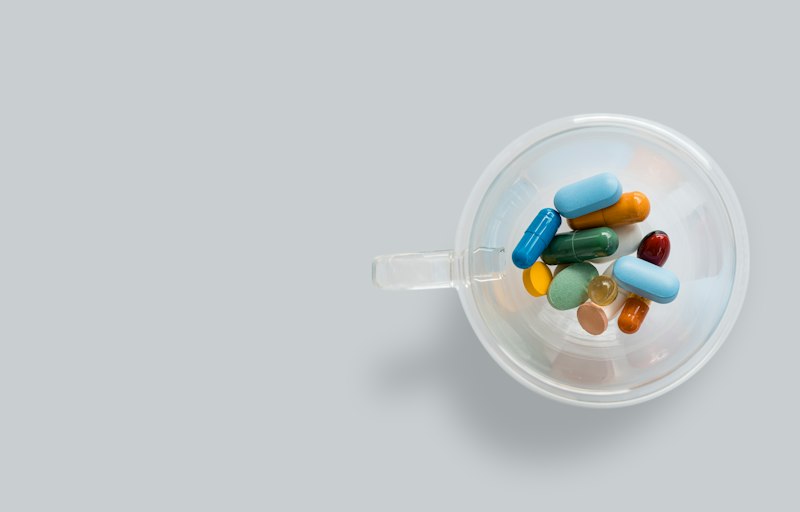
💧 Water & Hydration
Water is your highest priority. You can survive weeks without food but only days without water. Plan for 1 gallon per person per day minimum.
- Water bottles (3 liters minimum per person)ESSENTIAL
- Water purification tablets (50+ tablets)ESSENTIAL
- Portable water filter (Sawyer Mini or LifeStraw)IMPORTANT
- Collapsible water container (1-2 gallon)IMPORTANT
- Metal water bottle (can boil water if needed)RECOMMENDED
🍎 Food & Nutrition
Pack 2,000+ calories per person per day. Choose foods that don't require cooking, water, or refrigeration.
- Energy bars (6-9 bars per person)ESSENTIAL
- Peanut butter (individual packets or small jar)ESSENTIAL
- Dried fruit and nuts (trail mix)ESSENTIAL
- Crackers or hardtackIMPORTANT
- Beef jerky or meat sticksIMPORTANT
- Electrolyte powder packetsIMPORTANT
- Hard candy or glucose tabletsRECOMMENDED
- Instant coffee/tea packetsRECOMMENDED
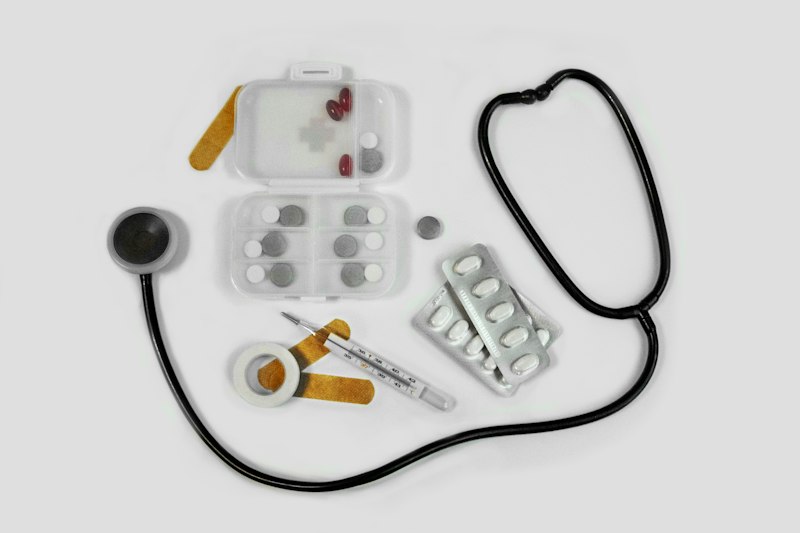
🩹 First Aid & Medical
Your first aid kit should handle common injuries and your specific medical needs. Replace expired items every 6-12 months.
- Prescription medications (7-day supply)ESSENTIAL
- Adhesive bandages (assorted sizes, 25+)ESSENTIAL
- Sterile gauze pads and rollsESSENTIAL
- Medical tapeESSENTIAL
- Pain relievers (ibuprofen, acetaminophen)ESSENTIAL
- Antibiotic ointmentIMPORTANT
- Antiseptic wipesIMPORTANT
- Tweezers and small scissorsIMPORTANT
- Elastic bandage (ACE wrap)IMPORTANT
- Antihistamines (Benadryl)IMPORTANT
- Anti-diarrheal medicationIMPORTANT
- Nitrile gloves (5+ pairs)IMPORTANT
- Emergency blanket (mylar)IMPORTANT
- Tourniquet (CAT or SOFTT-W)RECOMMENDED
- Israeli bandageRECOMMENDED
- Moleskin for blistersRECOMMENDED
🏕️ Shelter & Warmth
Protection from the elements can be life-saving. Hypothermia can occur even in mild temperatures if you're wet.
- Emergency mylar blankets (2 per person)ESSENTIAL
- Rain ponchoESSENTIAL
- Change of clothes (weather-appropriate)ESSENTIAL
- Sturdy shoes/boots (already wearing or packed)ESSENTIAL
- Emergency bivy sackIMPORTANT
- Lightweight tarp (8x10 ft)IMPORTANT
- Paracord (50 ft)IMPORTANT
- Wool or fleece hatIMPORTANT
- Work glovesIMPORTANT
- Extra socks (2 pairs)IMPORTANT
- Hand warmers (6+)RECOMMENDED
🔦 Light & Tools
When the power goes out, you need reliable light sources and basic tools.
- Headlamp with extra batteriesESSENTIAL
- Backup flashlightESSENTIAL
- Multi-tool or knifeESSENTIAL
- Duct tape (small roll or flat-wrapped)IMPORTANT
- Lighter and waterproof matchesIMPORTANT
- Fire starter (cotton balls with vaseline)IMPORTANT
- Can opener (if not on multi-tool)IMPORTANT
- Glow sticks (3-4)RECOMMENDED
- Small sewing kitRECOMMENDED
📱 Communication & Navigation
Staying informed and being able to communicate can save your life during emergencies.
- Cell phone with chargerESSENTIAL
- Portable power bank (10,000+ mAh)ESSENTIAL
- Emergency weather radio (hand-crank/battery)ESSENTIAL
- Local area maps (paper)IMPORTANT
- CompassIMPORTANT
- Whistle (for signaling)IMPORTANT
- Emergency contact list (laminated)IMPORTANT
- Small notepad and pencilRECOMMENDED
- Two-way radios (if traveling with group)RECOMMENDED
📄 Important Documents
Keep copies of critical documents in a waterproof bag. These help you access resources, prove identity, and file insurance claims.
- Photo ID copies (driver's license, passport)ESSENTIAL
- Insurance cards and policy numbersESSENTIAL
- Emergency contact informationESSENTIAL
- Cash ($200-500 in small bills)ESSENTIAL
- Credit/debit cardsESSENTIAL
- Medication list with dosagesIMPORTANT
- Medical history summaryIMPORTANT
- Property deed/lease copiesRECOMMENDED
- USB drive with important filesRECOMMENDED
- Family photos (for reunification)RECOMMENDED

🧼 Hygiene & Sanitation
Maintaining basic hygiene prevents illness and maintains morale during stressful situations.
- Toilet paper (1 travel roll)ESSENTIAL
- Hand sanitizerESSENTIAL
- Toothbrush and toothpasteIMPORTANT
- Wet wipes (personal cleansing)IMPORTANT
- Feminine hygiene productsIMPORTANT
- Small towel or bandanaIMPORTANT
- Plastic bags (waste disposal, waterproofing)IMPORTANT
- SunscreenRECOMMENDED
- Insect repellentRECOMMENDED
- Lip balmRECOMMENDED
👶 Special Needs
Customize your kit for family members with specific needs.
- Infants: Formula, bottles, diapers, wipes, pacifierESSENTIAL
- Children: Comfort item, snacks they'll eat, activitiesIMPORTANT
- Elderly: Extra medications, mobility aids, hearing aid batteriesESSENTIAL
- Pets: Food, water bowl, leash, carrier, medicationsESSENTIAL
- Medical: CPAP battery, insulin cooler, extra suppliesESSENTIAL
- Glasses/contacts and backup pairIMPORTANT
Weight Guidelines
Your 72-hour kit should weigh no more than:
- Healthy adults: 15-20% of body weight (25-35 lbs typical)
- Older adults: 10-15% of body weight
- Children 8-12: 10% of body weight
Use our Bug-Out Bag Weight Calculator to optimize your pack.
Where to Store Your Kit
- Primary kit: Near main exit door, in a closet or garage
- Secondary kit: In your vehicle's trunk
- Work kit: Smaller version at your workplace
Check and rotate contents every 6 months. Replace expired food, water, and medications.
Build Your Personalized Kit
Use our Emergency Kit Calculator to get a customized list based on your family size, location, and specific needs.
Related Resources
Emergency Kit Calculator
Personalized kit recommendations
Bag Weight Calculator
Optimize your pack weight
First-Time Prepper Guide
Getting started basics
From the Creators of DisasterPrepCalc
The Complete Survival Guide for America 2026
Everything you need to protect your family — from natural disasters to grid failures. Available on Amazon.
Get the Book on Amazon →As an Amazon Associate, we earn from qualifying purchases.