Recommended Emergency Gear

You've decided to get prepared. Maybe it was a news story about wildfires, a hurricane that hit too close to home, or that one time the power went out for 12 hours and you realized you had nothing. Whatever brought you here, you're taking the most important step: starting.
Here's the good news: emergency preparedness doesn't require a bunker, a year's salary, or quitting your job to homestead. It requires a simple plan, consistent small actions, and the right information. That's what this guide provides.
The Biggest Mistake First-Time Preppers Make
They buy everything at once. They spend $2,000 on freeze-dried food, a generator, and tactical gear—then burn out and never actually organize or maintain their supplies. Six months later, they don't know where anything is, the batteries are dead, and they've forgotten the plan.
The better approach: Start small, build systematically, and integrate preparedness into your normal life. You'll spend less money, retain more knowledge, and actually be ready when something happens.
The Rule of Threes
Prioritize by survival timeline: 3 minutes without air, 3 hours without shelter (in harsh conditions), 3 days without water, 3 weeks without food. This is why we start with water, not freeze-dried meals.

Week 1: Water Security
Your first priority is always water. Without it, nothing else matters. The goal: store 14 gallons per person in your household.
What to Do This Week
- Calculate your water needs using our Water Storage Calculator
- Buy 14 gallons of bottled water per person (cheap, easy, no excuses)
- Store in a cool, dark place away from chemicals
- Consider a water purification method for backup (tablets or filter)
Cost: 14+ gallons bottled water + water purification tablets
Week 2: Light and Communication
When the power goes out, you need to see and stay informed. This week focuses on those basics.
What to Do This Week
- Get a quality LED flashlight with extra batteries
- Get a headlamp (hands-free light is essential)
- Buy a battery-powered or hand-crank emergency radio
- Get a power bank for your phone (10,000+ mAh)
- Test everything and know where it's stored
Flashlight, headlamp, emergency radio, power bank
Week 3: First Aid Basics
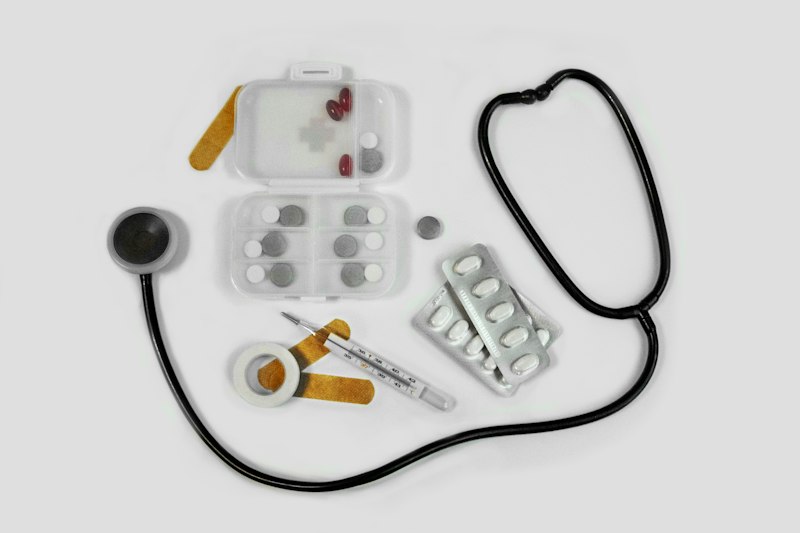
Injuries happen during emergencies—and medical help may be delayed. A basic first aid kit handles the most common situations.
What to Do This Week
- Buy or assemble a basic first aid kit (or upgrade an existing one)
- Add a 7-day supply of any prescription medications
- Include pain relievers, antihistamines, and anti-diarrheal medication
- Know the location of your nearest hospital and urgent care
- Consider taking a basic first aid class
Use our First Aid Kit Calculator for a detailed supply list.
Pre-made first aid kit or supplies to assemble one
Week 4: Food That Doesn't Require Cooking
Start with no-cook foods that you'd actually eat. Don't buy 50 pounds of rice if you've never cooked rice in your life.
What to Do This Week
- Buy 3 days of food per person that requires no cooking or refrigeration
- Ideas: peanut butter, crackers, canned fruit, granola bars, dried fruit, nuts
- Include a manual can opener
- Store where you can find it easily
- Write the purchase date on everything
Use our Food Storage Calculator to plan quantities.
3-day food supply per person
Month 2: Important Documents and Cash
Now that you've covered immediate survival, protect your financial and legal security.
What to Do This Month
- Make copies of important documents: IDs, insurance policies, medical records
- Store copies in a waterproof bag in your emergency supplies
- Keep $200-500 in small bills at home (ATMs don't work without power)
- Create a list of emergency contacts and important account numbers
- Consider a USB drive backup of important digital files

Month 3: Expand Food and Water
Now extend your supplies from 3 days to 7-14 days. This is what FEMA actually recommends.
What to Do This Month
- Add another week of water storage
- Expand food to 7-14 days per person
- Include foods you'd want to eat, not just survive on
- Add simple cooking capability (camp stove with fuel)
- Create a rotation system: eat oldest items, replace with new
Extended food supply + camp stove
Month 4-6: Power Backup
Modern life depends on electricity. Start planning for when it's gone.
What to Consider
- Minimal: Extra batteries, power banks, battery lanterns (~$50)
- Moderate: Portable power station like Jackery or Bluetti (~$300-800)
- Full backup: Portable generator (~$500-1,500)
Use our Generator Size Calculator to determine what you'd need.
Month 6+: Go-Bag and Advanced Preparedness
Once your home is prepared, build a portable kit for evacuations.
What to Build
- 72-hour go-bag for each family member
- Vehicle emergency kit
- Evacuation plan with multiple routes
- Communication plan for family reunification
See our complete 72-Hour Kit Checklist.

The 12-Month Budget Plan
Here's what you can achieve spending just $50-100 per month:
| Month | Focus | Budget |
|---|---|---|
| 1 | Water, flashlight, radio | $70-100 |
| 2 | First aid, 3-day food | $70-100 |
| 3 | Documents, cash reserve | $200-500 (cash) |
| 4-5 | Expand to 14-day supplies | $150-250 |
| 6-8 | Power backup | $300-800 |
| 9-12 | Go-bag, advanced gear | $200-400 |
Total first-year investment: $1,000-2,000 — spread over 12 months, that's less than a streaming subscription.
Common Beginner Questions
What disasters should I prepare for?
Start with the most likely events in your area: power outages (everyone), severe storms (most areas), earthquakes (seismic zones), hurricanes (coastal), wildfires (fire-prone areas). See our disaster guides for location-specific advice.
How much should I spend?
Start with $50-100/month. You can build excellent preparedness for under $1,500 over a year. The key is consistency, not a single big purchase.
Where should I store everything?
A closet, basement shelf, or corner of the garage works fine. The key is that everyone in the household knows where supplies are and can access them quickly.
Should I tell people I'm prepping?
Tell close family and friends who might shelter with you or who you'd want to help. Consider keeping specifics about quantities and locations private from casual acquaintances.
Ready to Start?
Begin with our Water Storage Calculator to determine exactly how much water your household needs. It takes 2 minutes and gives you your first concrete goal.
Related Resources
Ultimate Prep Guide
Comprehensive preparedness
72-Hour Kit Checklist
Complete go-bag list
Budget Calculator
Plan your spending
From the Creators of DisasterPrepCalc
The Complete Survival Guide for America 2026
Everything you need to protect your family — from natural disasters to grid failures. Available on Amazon.
Get the Book on Amazon →As an Amazon Associate, we earn from qualifying purchases.