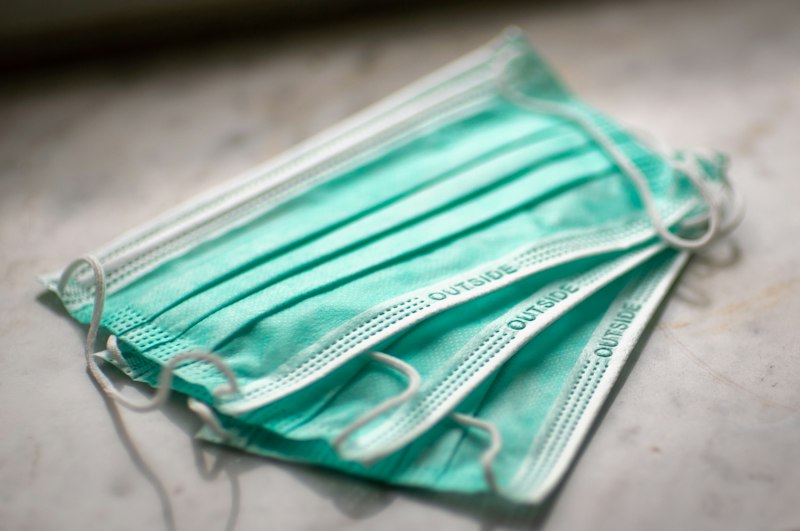
Lessons from COVID-19
In March 2020, store shelves emptied within 72 hours. Those with 30+ days of supplies could shelter safely while others waited in crowded stores, increasing their infection risk. The average American household had only 3 days of food at home when the pandemic began.
Understanding Pandemic Threats
Pandemics are global disease outbreaks that spread across countries and continents. Unlike localized disasters, pandemics can last months to years and affect every aspect of daily life—from work and school to healthcare and supply chains. The 20th and 21st centuries have seen several major pandemics:
- 1918 Spanish Flu: Killed an estimated 50 million people worldwide
- 1957 Asian Flu: 1-2 million deaths globally
- 1968 Hong Kong Flu: Approximately 1 million deaths
- 2009 H1N1 Swine Flu: Estimated 151,000-575,000 deaths
- 2019-2023 COVID-19: Over 7 million confirmed deaths (likely undercounted)
Epidemiologists warn that pandemic frequency may increase due to climate change, deforestation, and global travel. The World Health Organization identifies "Disease X"—an unknown pathogen—as an ongoing threat, estimating the next pandemic could emerge at any time.
How Diseases Spread
Understanding transmission routes helps you prepare the right protective measures:
Airborne
Tiny particles float in air for hours. Most dangerous in enclosed spaces.
Droplet
Larger particles from coughs/sneezes. Fall within 6 feet.
Contact
Touching contaminated surfaces then face. Key: hand hygiene.
Fecal-Oral
Contaminated food/water. Critical in areas with poor sanitation.
Building Your Pandemic Supply Stockpile
The CDC officially recommends 2 weeks of supplies for pandemic preparedness, but COVID-19 proved this is inadequate. Supply chain disruptions during the 2020 pandemic lasted months for some products (toilet paper, disinfectants, masks, certain medications). A realistic pandemic stockpile should support your household for 30-90 days.
Minimum Pandemic Supplies
- Water: 1 gallon per person per day (or reliable filtration system)
- Food: 14 days of shelf-stable foods your family eats
- Medications: 30-day supply of all prescriptions
- Fever reducers: Acetaminophen AND ibuprofen (different mechanisms)
- Masks: At least 20 N95/KN95 per person
- Hand sanitizer: 60%+ alcohol, multiple bottles
- Thermometer: Digital, preferably no-touch infrared
- Hygiene supplies: Toilet paper, soap, feminine products for 2 weeks
Recommended Pandemic Supplies
- Water storage: 30 gallons per person or whole-house filtration
- Food variety: Include comfort foods, snacks, and treats for morale
- Medications: 90-day prescription supply plus OTC essentials
- Masks: 50+ N95/KN95 per person for any trips outside
- Pulse oximeter: Monitor blood oxygen levels (critical for respiratory illness)
- Electrolyte powder: For fever/illness hydration (Pedialyte, Liquid IV)
- Disposable gloves: Box of 100 for caregiving and cleaning
- Disinfectants: EPA-registered products, wipes, and sprays
- HEPA air purifier: For sick room and common areas
- Vitamins: D3, C, zinc, and multivitamins
Comprehensive Pandemic Preparedness
- Long-term food storage: Freeze-dried meals, bulk staples, comfort foods
- Backup water: Rain collection, stream access with filtration capability
- Medical supplies: Full first aid kit with blood pressure monitor
- Cleaning supplies: Laundry detergent, dish soap, bleach for 3 months
- Financial reserves: Cash on hand for 2+ months of expenses
- Entertainment: Books, games, puzzles, hobby supplies
- Work-from-home setup: Reliable internet backup (cellular hotspot)
- Pet supplies: Food, medications, and supplies for 90 days
- Baby/child supplies: Formula, diapers, medications as needed
Setting Up a Home Isolation Room
When a household member gets sick, proper isolation can prevent spread to others. During COVID-19, households that isolated sick members had 3x lower secondary transmission rates than those who didn't.
Ideal Isolation Room Setup
Location Requirements:
- Has a door that closes completely (not a curtain or partial wall)
- Has a window that opens for ventilation
- Ideally has an attached bathroom (or designated bathroom nearby)
- Away from common areas and air intake for HVAC
- Large enough for comfortable extended stay
Equipment Needed:
- Box fan in window: Blowing outward to create negative pressure
- HEPA air purifier: Running continuously in the room
- Thermometer and pulse oximeter: For monitoring
- Medications: Fever reducers, cough medicine, throat lozenges
- Hydration: Water, electrolyte drinks, broth
- Tissues and trash bag: For respiratory hygiene
- Phone/tablet: For communication and entertainment
- Fresh bedding: Multiple sets for frequent changes
Caregiver Protocol:
- Designate ONE caregiver to minimize exposure
- Always wear N95 mask and gloves when entering
- Keep interactions brief and maintain distance when possible
- Leave supplies at the door; knock and step back
- Clean hands immediately after leaving the room
- Change clothes if there was close contact

Recognizing When to Seek Medical Care
During a pandemic, healthcare systems may be overwhelmed. Knowing when to manage illness at home versus when to seek emergency care saves both lives and healthcare resources.
Manage at Home
Mild fever (under 103°F), cough, congestion, body aches, fatigue, mild headache, loss of taste/smell. Stay hydrated, rest, monitor symptoms, and use OTC medications for comfort.
Call Doctor/Telehealth
Fever lasting 3+ days, worsening symptoms after improvement, high-risk individuals (elderly, immunocompromised), oxygen level 94-95%, concerns about medication interactions.
Emergency Room
Difficulty breathing, persistent chest pain or pressure, confusion or inability to stay awake, bluish lips or face, oxygen levels below 94%, inability to keep fluids down for 24+ hours.
Red Flag Symptoms - Call 911
Severe difficulty breathing, unresponsive or unable to wake, persistent pressure or pain in chest, new confusion, inability to stay conscious, pale/gray/blue-colored skin/lips/nail beds.
Air Quality and Ventilation
For respiratory pandemics like COVID-19, air quality is critical. Viruses can remain suspended in indoor air for hours, especially in poorly ventilated spaces. Improving ventilation significantly reduces transmission risk.
Ventilation Strategies
- Open windows: Create cross-ventilation with windows on opposite sides
- HEPA air purifiers: Use units rated for your room size (look for CADR rating)
- HVAC upgrades: MERV-13 filters or higher block most respiratory particles
- Portable air cleaners: DIY Corsi-Rosenthal boxes are effective and affordable
- CO2 monitors: CO2 levels indicate ventilation quality (under 800 ppm is good)
- Bathroom exhaust fans: Run continuously when someone is sick
Financial Preparedness for Pandemics
Pandemics create unique financial challenges: job losses, reduced hours, business closures, and increased expenses. COVID-19 saw unemployment spike to 14.7% in April 2020, with many waiting weeks for unemployment benefits.
Financial Preparations
- Emergency fund: 3-6 months of expenses in accessible savings
- Cash on hand: $500-$2,000 in small bills for emergencies
- Reduced debt: Lower monthly obligations increase flexibility
- Flexible work: Skills that allow remote work if possible
- Insurance review: Health, disability, and life insurance current
- Documented finances: Know your accounts, insurance policies, benefits
Mental Health During Extended Isolation
Extended pandemic isolation takes a severe toll on mental health. During COVID-19, rates of anxiety and depression tripled. Preparing for the psychological challenges is as important as physical preparation.
Mental Health Strategies
- Maintain routines: Wake, eat, work, and sleep at consistent times
- Stay physically active: Exercise releases endorphins and reduces anxiety
- Limit news consumption: Check updates 1-2 times daily, not constantly
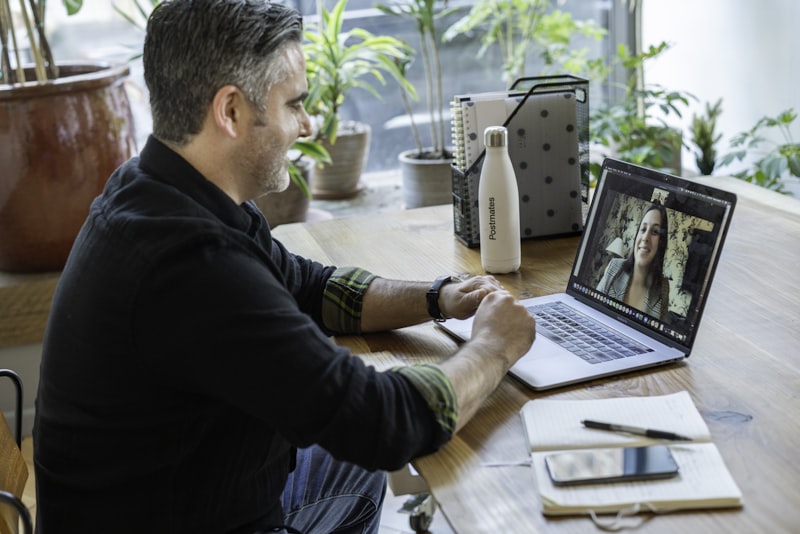
- Stay connected: Regular video calls with friends and family
- Have projects: Learning, hobbies, or home improvements give purpose
- Get outside safely: Yard time, balcony, or socially distanced walks
- Acknowledge feelings: Anxiety is normal; don't dismiss your emotions
- Seek help: Telehealth therapy is available if you're struggling
Entertainment and Activities
Stock entertainment that doesn't require internet (in case of service disruption):
- Books (physical copies)
- Board games and card games
- Puzzles
- Art supplies
- Musical instruments
- Downloaded movies/shows
- Exercise equipment or workout videos
- Garden supplies (if you have outdoor space)
Children and Pandemic Preparedness
Children have unique needs during pandemics, from continued education to emotional support. School closures during COVID-19 affected over 1.5 billion students worldwide.
Preparing Children
- Educational materials: Workbooks, educational games, learning apps
- Routine and structure: Children thrive with predictable schedules
- Age-appropriate explanations: Discuss what's happening without causing fear
- Social connection: Video calls with friends, classmates, and family
- Physical activity: Indoor games, dance, yoga for kids
- Comfort items: Familiar toys, blankets, and comfort foods
- Monitor emotions: Watch for signs of anxiety or depression
Pandemic Phases and Response
Understanding pandemic phases helps you know when to implement different preparedness measures:
Phase 1: Pre-Pandemic
No new virus detected in humans. This is your time to prepare: build supplies, create plans, ensure medications are stocked, and discuss family protocols.
Phase 2: Alert
New virus identified, human cases emerging. Final preparation phase: top off supplies, fill prescriptions, reduce unnecessary travel, increase hygiene vigilance.
Phase 3: Pandemic
Sustained human-to-human transmission. Implement shelter plans, work from home if possible, avoid crowds, use masks in public, monitor household health.
Phase 4: Recovery
Transmission decreasing, treatments/vaccines available. Gradual return to normal activities, replenish supplies for next event, document lessons learned.
Your Pandemic Preparedness Action Plan
Don't let the scope of pandemic preparedness overwhelm you. Start with these steps:
- This week: Inventory current supplies; identify gaps in food, water, medications
- This month: Build to 14-day supply; get 90-day medication refills; buy masks and sanitizer
- Next 3 months: Expand to 30-day supply; set up isolation room supplies; create communication plan
- Ongoing: Rotate food stock; stay informed about emerging threats; maintain supplies
Calculate Your Pandemic Supply Needs
Frequently Asked Questions
How much food should I stockpile for a pandemic?
The CDC recommends at least 2 weeks of food for pandemic preparedness, but lessons from COVID-19 suggest 30-90 days is more realistic. During the 2020 pandemic, supply chain disruptions lasted months in some areas. Stock shelf-stable foods your family actually eats, including comfort foods for morale during extended isolation.
What masks provide the best protection during a pandemic?
N95 and KN95 masks provide the best protection, filtering at least 95% of airborne particles when properly fitted. Surgical masks offer moderate protection, while cloth masks provide minimal filtration. During respiratory pandemics, stock at least 50 N95/KN95 masks per household member for when leaving home is unavoidable.
How do I set up a home isolation room?
Choose a room with its own bathroom if possible, good ventilation (window that opens), and a door that closes. Set up negative air pressure using a box fan blowing outward in the window. Stock the room with tissues, hand sanitizer, thermometer, pulse oximeter, medications, water, and a way to communicate with caregivers. The sick person should stay in this room except for bathroom use.
What medications should I stockpile for pandemic preparedness?
Stock a 90-day supply of any prescription medications, fever reducers (acetaminophen and ibuprofen), cough suppressants, decongestants, antihistamines, anti-diarrheal medication, electrolyte powder or drinks, and vitamins (especially Vitamin D, C, and zinc). Keep a pulse oximeter and thermometer to monitor illness severity.
How do I maintain mental health during extended pandemic isolation?
Maintain daily routines even when homebound, get outside safely when possible (yard, balcony, socially distanced walks), stay connected via video calls, exercise regularly indoors, limit news consumption to twice daily, have entertainment ready (books, games, hobbies), and acknowledge that anxiety is normal during pandemics. Seek telehealth mental health support if needed.
Continue Your Preparation
Ultimate Survival Prep Guide · All Disaster Guides · First-Time Prepper Guide